Did Jeff Dahmer Really Have a Choice?
Was Jeff Dahmer a Participant or a Victim?
Once one realizes the “serial killer” story about Jeff Dahmer was fabricated, another question follows: what was Jeff’s role in it?
At first glance, only two possibilities seem possible.
Either he willingly participated in creating the story, in which case he was part of the deception, or the story was imposed on him, in which case he was its victim.
But those possibilities aren’t mutually exclusive.
Jeff could have agreed to participate. He could even have believed the arrangement benefited him. At the same time, he could have been operating inside a system where other people held far more power, knew far more than he did, and ultimately controlled what happened to his name and his life.
Sometimes a person can cooperate with an arrangement and still be exploited by it.
“We’ll Do This for You, and You’ll Do This for Us”
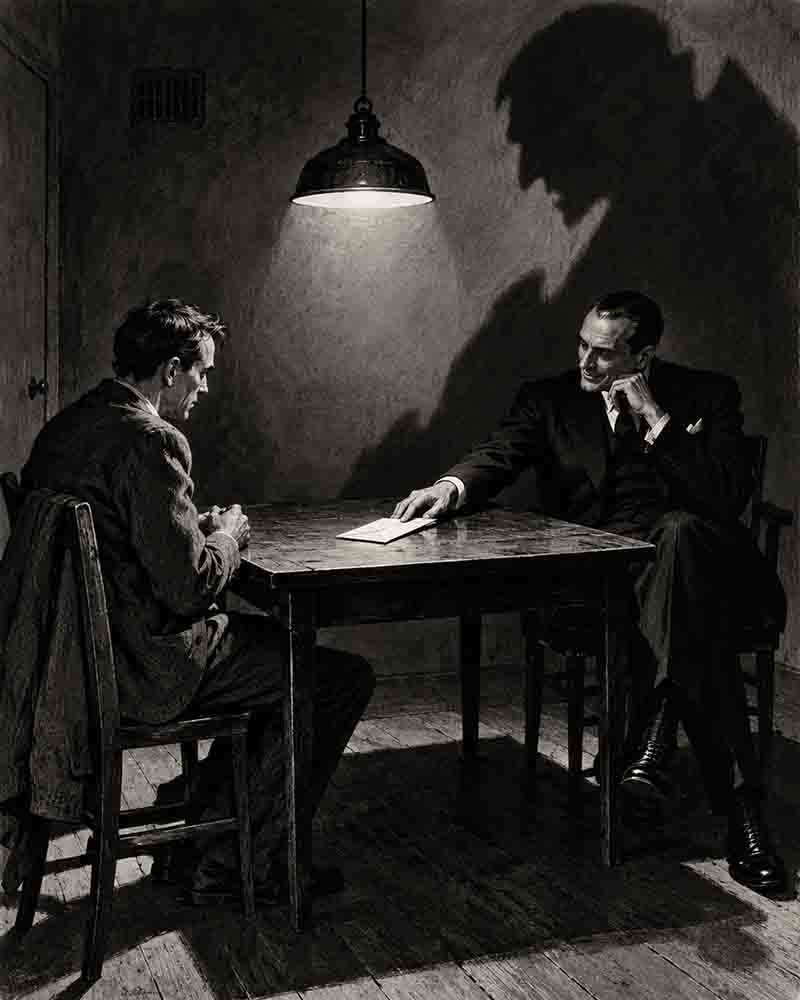
Jeff may not have understood his role in the fabricated story as coercion. He may have seen it as a bargain.
Perhaps he believed he was being offered something he needed badly enough to accept the terms: protection, legal relief, a way out, a new identity, safety, or some other form of help.
In that kind of arrangement, the understanding might have been simple:
We’ll do this for you, and you’ll do this for us.
Jeff could have felt that he was participating willingly. He may have believed he had chosen and that the arrangement benefited him.
But that doesn’t settle the question of consent. If the circumstances involved coercion, pressure, manipulation, or a situation where refusal didn’t feel like a realistic option, then saying yes wouldn’t necessarily mean the choice was fully free. A person can sincerely believe, “I agreed to this,” while still participating in an arrangement shaped by forces far more powerful than he was.
Why Someone Might Not Recognize Exploitation
A person doesn’t have to feel exploited in order to be in an exploitative arrangement.
Think of an employee who is badly underpaid but feels grateful because the employer gave him a chance when no one else would. Or someone in a relationship who gives up more and more freedom because the other person has helped them through a crisis. They may not think, I’m being exploited. They may think, This person helped me. I owe them.
The same thing can happen in institutional relationships. An informant may believe authorities protected him, kept him out of prison, or gave him a second chance. Years later, he may still describe the arrangement as a deal he willingly made, even if the other side held most of the power.
If Jeff believed the arrangement had protected him, saved him from something worse, or given him a future, he may have felt grateful rather than victimized. Over time, it could simply have become normal.
But feeling grateful doesn’t tell us whether someone was exploited. In fact, gratitude may be one reason exploitation can remain invisible for so long. If Jeff believed these people had saved him, why would he think of himself as their victim?
Could Jeff Dahmer Really Have Said No?
Imagine someone facing a serious criminal charge being told: cooperate with us, and we may be able to protect you, shorten your sentence, and help you start over. Refuse, and you may lose all of that.
The pressure could become even greater if the consequences weren’t limited to him. What if he believed that refusing might expose someone he loved to legal trouble as well? What if he believed his mother could be prosecuted, investigated, or otherwise pulled into the case?
I’m not saying that happened. But it illustrates how quickly a supposed “choice” can stop feeling like much of a choice at all.
If one side controls the legal system, the information, the resources, and perhaps the futures of people the other person cares about, then the choices may be heavily constrained even when no one is physically forcing anything.
Jeff may have believed he was making a deal.
The real question is not whether he said yes, but what he believed would happen if he said no.
What Would You Have Done?
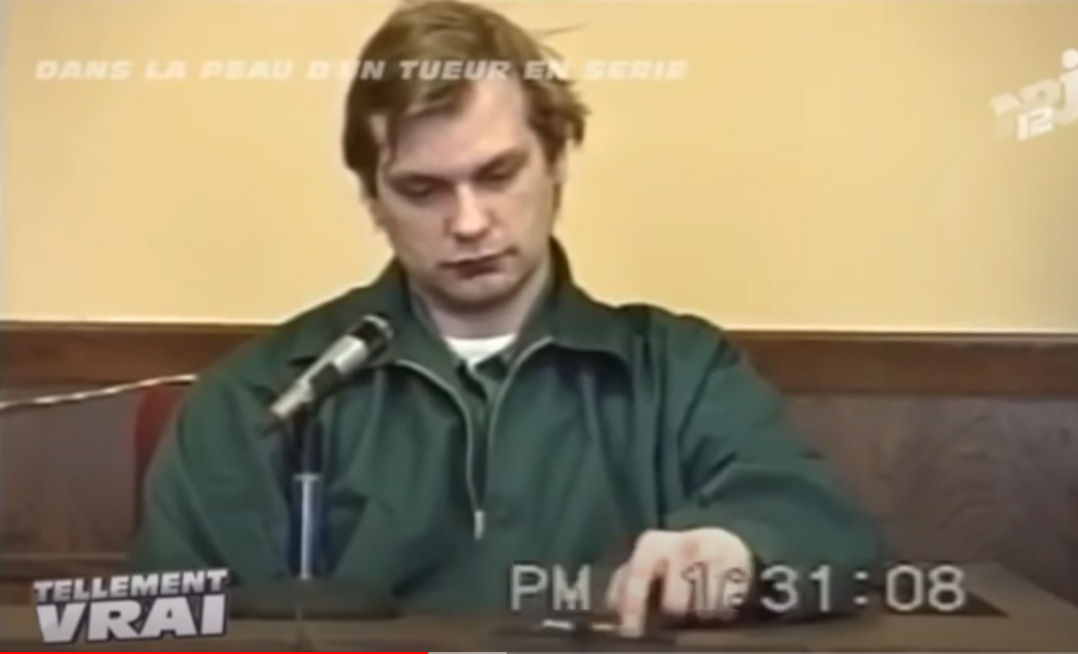
Before judging a decision like this, try to imagine being the person forced to make it.
Imagine being unwell, frightened, isolated, and dependent on people who hold far more power than you do. They can influence whether you go to prison, whether you’re protected, whether you get another chance, and perhaps what happens to the rest of your life.
Then imagine they offer you a way out.
Maybe it sounds like rescue. Maybe you’re so relieved that you don’t even experience it as coercion. You may believe you’re choosing freely because, compared with the alternative, the offer feels like salvation.
What would you do?
Would you refuse and risk losing everything being offered to you?
Or would you say yes, tell yourself you had made a deal, and try to live with whatever came afterward?
And if you chose to accept the offer, you might spend years believing you had made the right decision. You might even feel grateful for it. Only much later might you begin to ask how much of a choice you really had.
They Never Expected Anyone to Look
Whatever Jeff may have believed about the arrangement, the public was never part of that deal.
A fabricated horror story was presented as fact, and people believed it because it carried the authority of police, prosecutors, courts, experts, and the media.
That was unethical. Public institutions are supposed to establish facts, not manufacture them. Once they knowingly deceive the public, they’re gambling with their own credibility.
In 1991, that gamble may have looked safe. The records were scattered, difficult to access, and almost impossible for an ordinary person to compare.
They aren’t anymore. The internet changed everything.
That should worry them. What may have looked clever in 1991 now looks dangerously shortsighted.
One possible response from those responsible for creating and sustaining the fabricated story is to reframe Jeff as someone who knowingly agreed to the arrangement and benefited from it. That may seem to solve one problem. But it creates another.
A willing participant still has to be participating in something.
How Does Jeff Dahmer See It Now?
Time can change the meaning of a bargain.
Something that once felt like rescue can look very different after thirty years. What seemed necessary in the moment may later reveal itself as something far more complicated. Jeff may still believe he made the best choice available to him. He may still think, I agreed to this. It gave me a way out. But age and distance have a way of changing the questions.
Who really held the power? How much did he know? What was he told would happen if he refused? And did he understand, at the time, what the arrangement would eventually cost him?
Perhaps he did. Perhaps he did not.
But if he once believed the bargain saved him, there is another possibility he may now have to face: that what saved him also took possession of his name, his history, and the way the world would remember him.
And if that’s true, then the question after all these years is no longer simply whether he agreed.
It’s whether he would make the same bargain now, knowing what it became.