Jeff Dahmer Didn’t Consent to the Role He Was Forced to Play
If Saying No Destroys You, It Isn’t Consent
Every system that pretends to have a moral center runs on the same rule: consent is only real if you’re free to refuse. Sit with that. If refusing means your life burns down, then agreement is just self-preservation.
Medicine knows this. Research ethics know this. Courts know it too, when it suits them. You don’t need a psychology degree to understand it: If “no” gets you destroyed, the “yes” is hostage language.
And the choices on the table weren’t choices at all:
- Option A: Play the state-approved “serial killer” role.
- Option B: You, and your mother and father, are going to prison for years.
Call it whatever helps you sleep…that’s not consent. That’s triage. That’s someone choosing the least catastrophic outcome.
From a distance, survival can look like cooperation. But only to people who’ve never been inside a room where the state is holding the match.
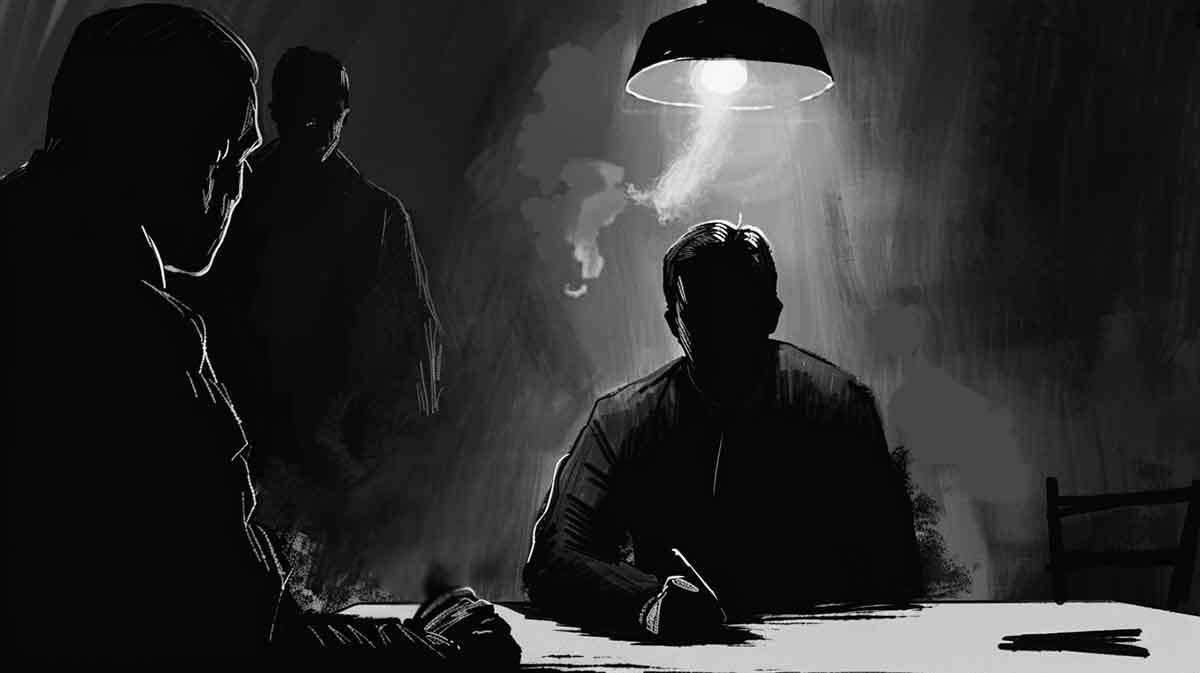
What Coercion Actually Looks Like
Coercion doesn’t kick down the door. It doesn’t need to. Most of the time it just rearranges the room so that every exit leads to fire. No yelling. No threats. Just the steady, reasonable voice of authority explaining how this is going to go:
“Think about your family.”
“Let’s not make this worse.”
“This stays between us.”
“You know what happens if this gets out.”
It doesn’t present itself as force. It presents itself as maturity.
Be responsible.
Do the right thing.
Be an adult.
By the time you’re nodding along, the outcome has already been decided. The “choice” is cosmetic. The pressure is real. This is how the state gets obedience without ever raising its voice. People don’t comply because they’re stupid or gullible. They comply because they’re protecting something…their parents, their name, the last intact piece of their life. From the outside, it looks like agreement. From the inside, it’s disaster math…doing whatever prevents the most damage. That isn’t consent. That’s survival under threat.
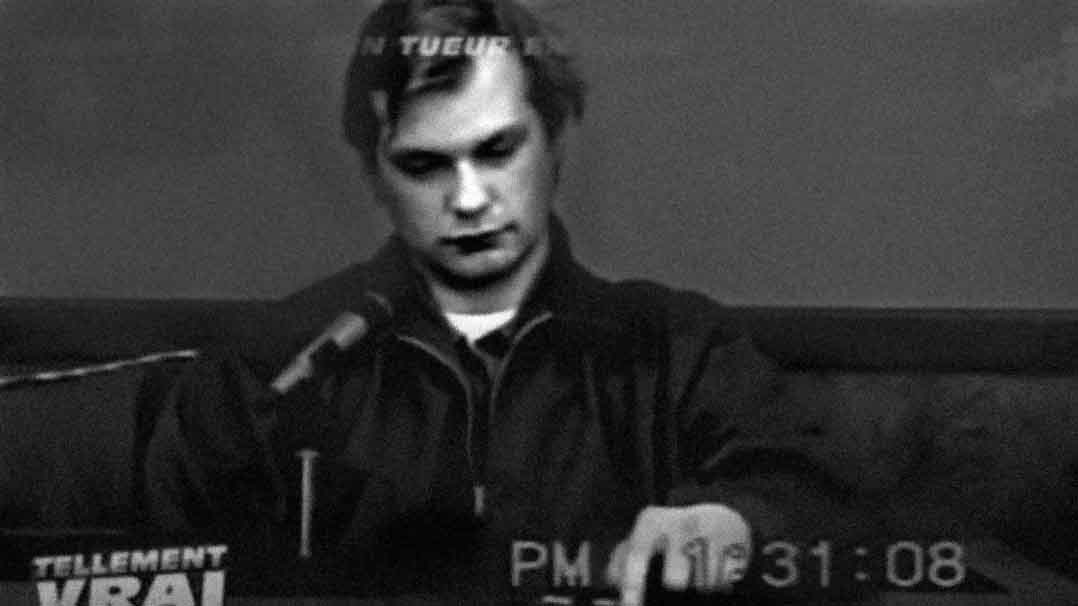
The Hicks Story Was the Gun on the Table
Let’s drop the mythmaking. If Steven Hicks died in 1978, it wasn’t a murder. Given the $10 million judgment in the civil case, it was a drunk eighteen-year-old behind the wheel…the kind of case that shows up in every college-town courtroom in America. The legal language for that is involuntary manslaughter. Tragic. Criminal. Very human.
The real problem wasn’t the accident. The real problem was the cover-up.
Because the second a family decides to hide a body, everything changes. Individual guilt becomes shared liability. Now it’s not just his crime…it’s theirs. A mother. A father. The family name. The whole world they’ve built. And once the state realizes that everyone in that family is exposed, the game is over.
The state doesn’t have to prove they found Hicks. They only have to say they did…and make the Dahmers believe it. That’s leverage. That’s the hook in the jaw.
You want to know why Jeff “cooperated”? Why he “confessed”? Why he never fought the story? Because the alternative was watching his parents get criminally prosecuted. That’s not consent. That’s extortion.
And Then There’s 808 N. 24th Street
The official narrative says Jeff lived at 808 N. 24th Street. Public records say something else. The name tied to that address wasn’t Jeff Dahmer. It was Michael McCann. Milwaukee’s District Attorney. We’re not talking conspiracy theory here…we’re talking public records. A defendant “living” at the DA’s address is not normal. It’s not a coincidence. It’s not housing assistance. It’s a supervised staging environment.
The Somsack Charge Was the Trap Door
When the state wants to own someone, it doesn’t go big. It goes shame-based. Un-defendable. Socially radioactive. A sex crime charge involving a kid does the job perfectly. Once that charge is on you, you’re alone. Your support system collapses overnight. That is when they dropped the “Hicks remains” on the table.
“We found bone fragments.”
And at that point, it didn’t matter whether the “remains” were dug out of a Boy Scout camp fire pit. The power didn’t come from proof. It came from the threat of what they claimed to know. This is how you build a “serial killer” when you don’t actually have one:
Isolate the subject with a phony charge.
Threaten the family.
Offer a way out…if he plays the role you’ve prepared.
Once the Dahmers understood that Hicks could be used to destroy them, the silence and the cooperation became self-policing. This wasn’t consent. It was a hostage situation dressed up as agreement.
The Lie Only Works If Everyone Pretends
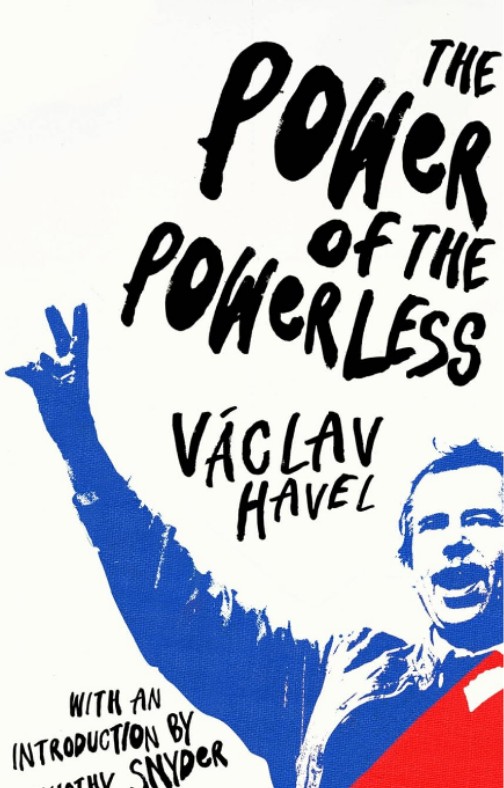
Vaclav Havel – dissident Czech playwright, political prisoner, eventual president – spent years being harassed and jailed by a government that needed everyone to keep pretending the Communist system made sense. In his essay The Power of the Powerless, he explains how a lie is maintained even when no one actually believes it.
His example is a greengrocer who displays a sign in his shop window that reads, “Workers of the world, unite!” The greengrocer doesn’t believe the slogan. The customers don’t believe it. The government officials enforcing it don’t believe it either. The point is not belief. The point is that the greengrocer is performing belief. The sign says: I will not disrupt the illusion. I will not challenge the story. I am safe to leave alone.
The system doesn’t require belief. It requires participation in the lie.
This is exactly how the “Dahmer” narrative works. Nobody really believes the “serial killer” story. Not the cops. Not the lawyers. Not the journalists. Not Carl Crew. Not John Backderf. Not the people who made the Netflix series. Not Marquette. They know that if you press on any part of the narrative with even moderate pressure, the whole thing buckles like a folding chair under a linebacker. But they keep repeating the story because not repeating it is dangerous. The punishment for questioning or telling the truth about “Dahmer” is public annihilation. Doors close. Reputations rot. At the very least, you get marked as a weirdo.
So everyone “hangs the sign in the window” like the greengrocer. They repeat the script. They use the same language. Not because it’s true, but because it’s safer to pretend it is. The mask stays on Jeff Dahmer’s face because everyone agrees to pretend it’s his face.
But the minute one person stops playing along, stops performing the lie…just withdraws participation by “taking the sign out of the window”…the stage lights on “Dahmer” flicker. The plywood backdrop shows its seams. The myth starts looking like theater. And once you see the human being behind the role, the role can’t reattach itself. The spell doesn’t re-cast. Recognition only moves in one direction.
“Dahmer” isn’t going to end with a courtroom revelation or some grand televised confession. Stories like this collapse when the performance stops working. When enough people stop nodding along. When the fear of breaking the script fades. When the myth stops feeling necessary. When people stop worrying about being “that weirdo”. That’s the moment when a narrative loses its spine.
And you can feel that moment approaching here – not loud, not dramatic – just the quiet shift that happens right before something old and rotten falls apart.